

As a supplier of ID honing services and equipment, I often encounter inquiries about the applicability of ID honing to various materials. One question that has come up more frequently is whether ID honing can be used on zinc alloys. In this blog post, I will delve into this topic, exploring the properties of zinc alloys, the process of ID honing, and the feasibility of using ID honing on zinc alloys.
Understanding Zinc Alloys
Zinc alloys are a group of metallic materials composed primarily of zinc with the addition of other elements such as aluminum, copper, magnesium, and lead. These alloys are known for their excellent castability, high strength-to-weight ratio, good corrosion resistance, and low melting point. Zinc alloys are widely used in various industries, including automotive, electronics, construction, and consumer goods, for applications such as die casting, precision machining, and plating.
The properties of zinc alloys can vary depending on the specific composition and manufacturing process. For example, zinc-aluminum alloys offer high strength and good ductility, making them suitable for structural applications. Zinc-copper alloys, on the other hand, have excellent wear resistance and are often used in applications where friction and wear are a concern.
The ID Honing Process
ID honing, also known as internal honing, is a precision machining process used to finish the internal surface of a cylindrical workpiece. The process involves using a honing tool, which consists of abrasive stones mounted on a mandrel, to remove a small amount of material from the inner surface of the workpiece. The honing tool rotates and reciprocates within the workpiece, creating a crosshatch pattern on the surface that improves the lubrication and wear characteristics of the finished part.
ID honing is typically used to achieve a high level of dimensional accuracy, surface finish, and roundness in the internal bore of a workpiece. It is commonly used in the manufacturing of hydraulic cylinders, engine blocks, bearings, and other components that require precise internal dimensions and smooth surfaces.
Feasibility of ID Honing on Zinc Alloys
The feasibility of using ID honing on zinc alloys depends on several factors, including the properties of the zinc alloy, the specific requirements of the application, and the capabilities of the honing equipment.
Material Properties
One of the main challenges of ID honing zinc alloys is their relatively low hardness compared to other materials such as steel or cast iron. Zinc alloys have a hardness range of approximately 80-120 Brinell, which is significantly lower than the hardness of steel (typically 200-300 Brinell or higher). This low hardness can make it difficult to achieve the desired surface finish and dimensional accuracy during the honing process, as the abrasive stones may wear out quickly or cause excessive material removal.
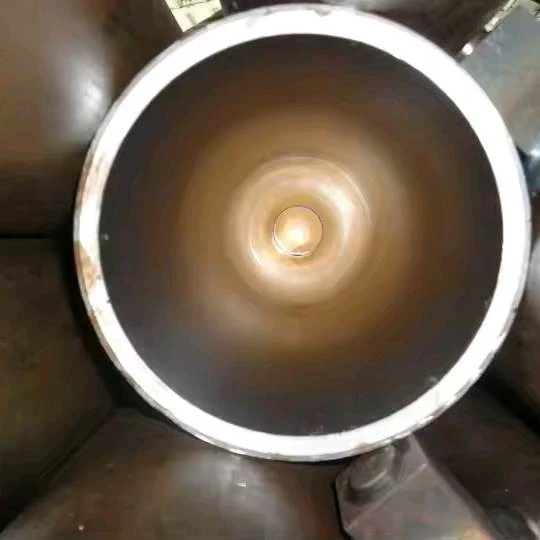

Another consideration is the ductility of zinc alloys. Zinc alloys are relatively ductile materials, which means they have a tendency to deform and flow under pressure. This can lead to issues such as burring, tearing, and surface roughness during the honing process. To overcome these challenges, it is important to use the appropriate honing parameters, such as the correct abrasive type, grit size, and honing pressure, to minimize the risk of material deformation and achieve a smooth surface finish.
Application Requirements
The specific requirements of the application also play a crucial role in determining the feasibility of ID honing on zinc alloys. For example, if the application requires a high level of dimensional accuracy and surface finish, such as in the manufacturing of hydraulic cylinders or precision bearings, ID honing may be a viable option. However, if the application can tolerate a slightly rougher surface finish or less precise dimensions, other machining processes such as reaming or boring may be more suitable.
Honing Equipment and Parameters
The capabilities of the honing equipment and the selection of the appropriate honing parameters are also important factors in determining the success of ID honing on zinc alloys. To achieve the best results, it is essential to use a honing machine that is capable of providing precise control over the honing process, including the rotational speed, reciprocating speed, and honing pressure.
In addition, the choice of abrasive stones is critical. For zinc alloys, it is recommended to use abrasive stones with a relatively soft bond and a fine grit size to minimize the risk of material damage and achieve a smooth surface finish. Diamond or cubic boron nitride (CBN) abrasive stones may also be used for more demanding applications, as they offer superior wear resistance and cutting performance.
Advantages and Disadvantages of ID Honing Zinc Alloys
Advantages
- Improved Surface Finish: ID honing can significantly improve the surface finish of zinc alloy components, reducing friction and wear and improving the overall performance of the part.
- Enhanced Dimensional Accuracy: The honing process can achieve a high level of dimensional accuracy, ensuring that the internal bore of the workpiece meets the required specifications.
- Crosshatch Pattern: The crosshatch pattern created by the honing process helps to retain lubricant on the surface of the workpiece, improving the lubrication and reducing the risk of seizure and wear.
Disadvantages
- Material Removal Rate: Due to the low hardness of zinc alloys, the material removal rate during the honing process may be relatively slow, which can increase the machining time and cost.
- Tool Wear: The abrasive stones used in the honing process may wear out quickly when honing zinc alloys, requiring frequent replacement and increasing the cost of the process.
- Surface Damage: If the honing parameters are not properly selected, there is a risk of surface damage such as burring, tearing, or cracking, which can affect the quality and performance of the finished part.
Case Studies and Applications
Despite the challenges associated with ID honing zinc alloys, there are several successful applications of this process in various industries. For example, in the automotive industry, ID honing is used to finish the internal bores of zinc alloy engine blocks and cylinder heads, improving the performance and reliability of the engine. In the electronics industry, ID honing is used to manufacture precision components such as connectors and switches, where a high level of dimensional accuracy and surface finish is required.
Here are some specific examples of zinc alloy components that can benefit from ID honing:
- Hydraulic Cylinders: ID honing can be used to finish the internal bores of zinc alloy hydraulic cylinders, improving the sealing performance and reducing the risk of leakage.
- Bearings: ID honing can be used to achieve a precise internal diameter and surface finish in zinc alloy bearings, reducing friction and wear and improving the service life of the bearing.
- Valve Bodies: ID honing can be used to finish the internal bores of zinc alloy valve bodies, ensuring a tight seal and improving the flow characteristics of the valve.
Conclusion
In conclusion, ID honing can be used on zinc alloys, but it requires careful consideration of the material properties, application requirements, and honing equipment and parameters. While there are some challenges associated with honing zinc alloys, such as low hardness and ductility, these can be overcome by using the appropriate honing techniques and tools.
If you are considering using ID honing on zinc alloy components, I encourage you to consult with a professional honing supplier who has experience working with zinc alloys. They can provide you with expert advice and guidance on the best honing process and parameters for your specific application.
If you have any questions or would like to discuss your ID honing needs further, please feel free to contact us. We are a leading supplier of ID honing services and equipment, and we would be happy to help you achieve the best results for your zinc alloy components.
References
- ASM Handbook, Volume 2: Properties and Selection: Nonferrous Alloys and Special-Purpose Materials, ASM International, 1990.
- Machining Data Handbook, Volume 1, Third Edition, Metcut Research Associates, Inc., 1992.
- Precision Machining Technology, Second Edition, Paul DeGarmo, J. T. Black, and Ronald Kohser, Wiley, 2003.


