

A gasoline engine is a complex and fascinating piece of machinery that powers a vast majority of vehicles on the road today. At the heart of this engine lies a crucial component known as the piston rod. As a supplier of high - quality piston rods, I am excited to delve into how these essential parts work within a gasoline engine.
The Basics of a Gasoline Engine
Before we jump into the details of piston rods, it's important to understand the basic operation of a gasoline engine. A typical four - stroke gasoline engine operates through four distinct phases: intake, compression, power, and exhaust.
During the intake stroke, the piston moves downward, creating a vacuum in the cylinder. The intake valve opens, allowing a mixture of air and gasoline to enter the cylinder. In the compression stroke, the piston moves back up, compressing the air - fuel mixture. This compressed mixture is then ignited by a spark plug during the power stroke. The explosion of the ignited mixture forces the piston back down, generating power. Finally, during the exhaust stroke, the piston moves up again, and the exhaust valve opens to expel the burned gases from the cylinder.
The Role of the Piston Rod
The piston rod, also known as the connecting rod, serves as a crucial link between the piston and the crankshaft. It is responsible for converting the linear motion of the piston into the rotational motion of the crankshaft. This conversion is what ultimately allows the engine to generate power and drive the vehicle.
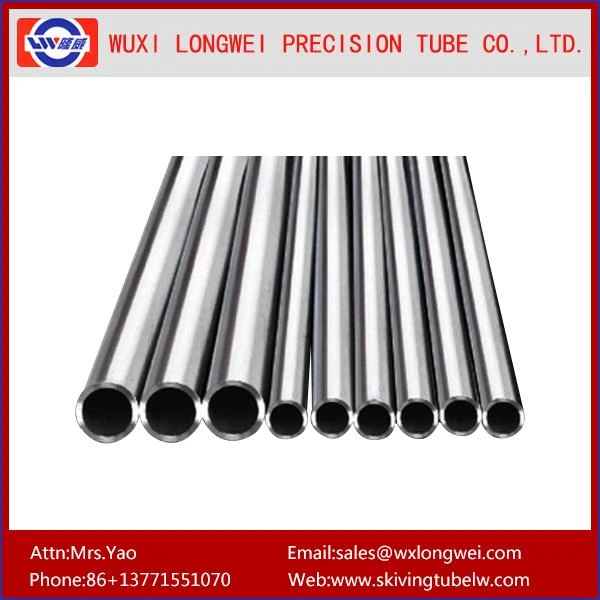
The piston rod has two ends: the small end and the big end. The small end is connected to the piston via a piston pin, which allows for a pivot - like movement. This connection ensures that the piston can move up and down smoothly within the cylinder. The big end of the piston rod is attached to the crankshaft. As the piston moves up and down in the cylinder, the piston rod transfers this linear motion to the crankshaft, causing it to rotate.
Construction and Materials
Piston rods need to be strong, durable, and able to withstand high levels of stress. They are typically made from materials such as forged steel or aluminum alloy. Forged steel piston rods are known for their high strength and toughness. They can handle the extreme forces generated during the power stroke of the engine. Aluminum alloy piston rods, on the other hand, are lighter, which can improve the engine's overall performance by reducing the reciprocating mass.
As a piston rod supplier, we offer a wide range of piston rods to meet different engine requirements. For example, we have [Hard Chrome Piston Rod and Hydraulic Chrome Rod](/piston - rod/hard - chrome - piston - rod - and - hydraulic - chrome.html). These rods are coated with hard chrome, which provides excellent wear resistance and corrosion protection. This makes them suitable for engines that operate under harsh conditions.
Our [Stainless Steel 304 Hydraulic Precision Piston Rod](/piston - rod/stainless - steel - 304 - hydraulic - precision.html) is another popular product. Made from high - quality stainless steel 304, these piston rods offer good corrosion resistance and high precision. They are ideal for hydraulic systems and engines where precise movement is required.
We also supply [High Frequency Quenched and Tempered Piston Rod](/piston - rod/high - frequency - quenched - and - tempered - piston.html). These rods undergo a special heat treatment process that enhances their strength and hardness. The high - frequency quenching and tempering process ensures that the piston rods can withstand high - stress applications without deforming.
Working Mechanism in Detail
Let's take a closer look at how the piston rod operates during each stroke of the four - stroke gasoline engine.

Intake Stroke: As the piston moves downward, the piston rod follows this motion. The small end of the piston rod, connected to the piston, moves downwards along with the piston. The big end, attached to the crankshaft, causes the crankshaft to rotate slightly. The downward movement of the piston creates a low - pressure area in the cylinder, allowing the air - fuel mixture to enter through the open intake valve.
Compression Stroke: When the piston starts moving up, the piston rod transfers this upward force to the crankshaft. The piston rod acts as a lever, converting the linear upward motion of the piston into a rotational motion of the crankshaft. As the piston compresses the air - fuel mixture, the piston rod experiences compressive forces.
Power Stroke: This is the most critical stroke for power generation. When the spark plug ignites the compressed air - fuel mixture, a rapid expansion of gases occurs. This explosion forces the piston down with a tremendous amount of force. The piston rod then transmits this force to the crankshaft, causing it to rotate with high torque. The power generated during this stroke is what drives the vehicle.
Exhaust Stroke: As the piston moves up again to expel the burned gases, the piston rod once again transfers the upward motion to the crankshaft. The exhaust valve opens, and the burned gases are pushed out of the cylinder.
Maintenance and Performance Considerations
Proper maintenance of piston rods is essential for the smooth operation of a gasoline engine. Over time, piston rods can experience wear and tear, especially at the points where they are connected to the piston and the crankshaft. Regular engine oil changes are crucial as the oil lubricates the moving parts, including the piston rod, reducing friction and wear.
The performance of the piston rod can also affect the overall efficiency of the engine. A well - designed and properly maintained piston rod can improve the engine's power output, fuel efficiency, and reduce emissions. For example, a lighter piston rod can reduce the engine's reciprocating mass, which in turn can lead to better acceleration and fuel economy.
Why Choose Our Piston Rods
As a piston rod supplier, we take pride in offering high - quality products. Our piston rods are manufactured using advanced technology and strict quality control measures. We understand the importance of precision and durability in engine components, and our products are designed to meet the highest industry standards.
Whether you are an engine manufacturer, a mechanic, or a vehicle owner looking for replacement parts, our piston rods are a reliable choice. We have a wide range of products to suit different engine types and applications. Our team of experts is always ready to provide technical support and advice to ensure that you choose the right piston rod for your needs.

Contact Us for Purchasing
If you are interested in purchasing our piston rods, we encourage you to contact us for more information. Our sales team is eager to assist you in finding the perfect piston rod solution for your gasoline engine. Whether you need a single replacement part or a large - scale order for your manufacturing business, we are here to serve you. Start a conversation with us today and let us help you enhance the performance of your engines.
References
- Heywood, J. B. (1988). Internal Combustion Engine Fundamentals. McGraw - Hill.
- Crolla, D. A. (2001). Automotive Mechanics. SAE International.
- Taylor, C. F. (1966). The Internal Combustion Engine in Theory and Practice. MIT Press.


