

Hey there! As a piston rod supplier, I've seen firsthand how crucial it is to transport these components safely. Piston rods are essential parts in various machinery, like hydraulic cylinders and engines. Damaging them during transport can lead to costly repairs and delays in projects. So, let's dive into some tips on how to transport piston rods safely.
Pre - transport Preparation
Before you even think about moving the piston rods, you need to do a thorough inspection. Check for any existing damage, such as scratches, dents, or corrosion. If you find any issues, it's best to address them before shipping. This not only ensures the quality of the product but also helps avoid disputes with the customer later on.
Next up is cleaning. Piston rods should be clean before transport. Any dirt, debris, or oil left on the surface can cause problems during transit. Use a suitable cleaning agent and a soft cloth to wipe them down. Make sure they are completely dry before moving on to the next step.
Once the piston rods are clean, it's time to protect them. A good way to do this is by applying a protective coating. This can be a rust - preventive oil or a special polymer coating. The coating acts as a barrier against moisture and other environmental factors that could damage the rods.
Packaging
Proper packaging is key to safe transport. For individual piston rods, you can use plastic sleeves or tubes. These provide a basic level of protection against scratches and minor impacts. If you're shipping multiple piston rods together, group them carefully to prevent them from rubbing against each other.
You can also use custom - made wooden or plastic crates. These crates are designed to fit the piston rods snugly, reducing the risk of movement during transit. Line the crates with foam or other cushioning materials to absorb shocks. This is especially important if the rods are going to be transported over long distances or on rough roads.
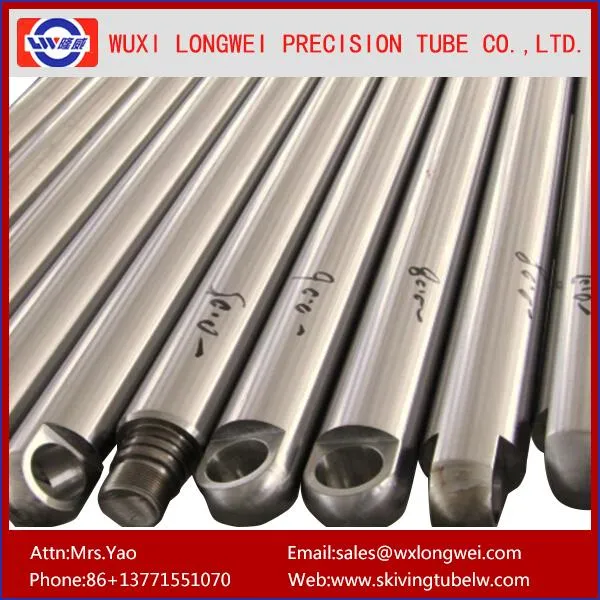
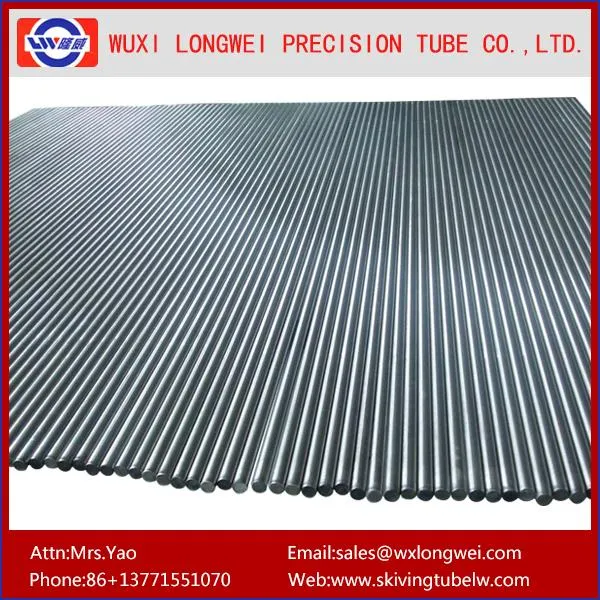
For example, our 40Cr Chrome Hydraulic Cylinder Piston Rod is often shipped in custom - made crates to ensure its safety. The chrome surface of these rods is quite delicate, and proper packaging helps maintain its integrity.
Labeling
Labeling the packages is an important step that's often overlooked. Clearly mark the packages as "Fragile" and indicate the orientation of the piston rods. This helps the handlers know how to handle the packages properly. You should also include information about the contents, such as the type of piston rod, its dimensions, and the quantity inside the package.
Choosing the Right Transport Method
The choice of transport method depends on several factors, such as the distance, the quantity of piston rods, and the urgency of delivery.
Road Transport
If you're shipping within a relatively short distance, road transport can be a good option. Trucks offer flexibility in terms of pick - up and delivery locations. However, you need to make sure the truck is in good condition and that the cargo area is clean and dry. Secure the packages properly inside the truck to prevent them from shifting during the journey.
Rail Transport
For longer distances, rail transport can be more cost - effective. Trains are generally more stable than trucks, which reduces the risk of damage from vibrations. But you need to be aware of the loading and unloading processes. Make sure the railway staff handle the packages with care.
Air Transport
If you need to deliver the piston rods quickly, air transport is the way to go. It's the fastest option, but it can also be the most expensive. When using air transport, the packaging needs to meet strict airline regulations. The packages should be lightweight but still provide adequate protection.
Insurance
No matter how careful you are, there's always a risk of damage during transport. That's why it's a good idea to get insurance for your piston rods. Insurance can protect you financially in case of any unforeseen events, such as accidents, theft, or natural disasters.
Tracking
Tracking the shipment is a great way to stay informed about the status of your piston rods. Most transport companies offer tracking services. You can use the tracking number to check where the packages are at any given time. This allows you to anticipate any delays and keep your customers updated.
Handling at Destination
Once the piston rods reach their destination, proper handling is still crucial. The recipients should inspect the packages immediately upon arrival. If there are any signs of damage, they should document it and notify the transport company and the supplier right away.
For example, our CK45 Precision Hollow Piston Rod requires careful handling at the destination. The hollow design makes it a bit more delicate, and any damage during unloading could affect its performance.
Training for Handlers
Whether it's your own staff or the transport company's handlers, proper training is essential. They should know how to handle piston rods safely, including how to lift them, how to stack the packages, and how to use the right equipment.
Quality Control After Transport
After the piston rods are delivered, it's a good idea to do a final quality control check. This can involve measuring the dimensions, checking the surface finish, and testing the functionality of the rods if possible. If any issues are found, you can work with the customer to resolve them.
Cost - Benefit Analysis
When implementing all these safety measures, it's important to do a cost - benefit analysis. You need to balance the cost of packaging, insurance, and other safety measures against the potential losses from damaged piston rods. Sometimes, spending a little more on safety can save you a lot of money in the long run.
Conclusion
Transporting piston rods safely is a multi - step process that requires careful planning and attention to detail. From pre - transport preparation to handling at the destination, every step plays a crucial role in ensuring the rods arrive in good condition.
If you're in the market for high - quality piston rods, such as our Oil Cylinder Piston Rod Processing products, and want to learn more about our safe transport practices, don't hesitate to reach out. We're always happy to discuss your specific needs and help you with your procurement.
References
- "Transportation Safety Guidelines for Industrial Components" - Industry Research Report
- "Best Practices in Packaging and Shipping of Piston Rods" - Manufacturer's Handbook


