

If you're in the hydraulic equipment game, you know that piston rods are the unsung heroes keeping everything from construction lifts to factory assembly lines running smooth. And if you've picked up 316 stainless steel hydraulic precision piston rods for your rig, you made a smart call-316's resistance to corrosion, salt, and even harsh chemicals makes it a step up from regular steel rods, especially for outdoor, marine, or food-grade applications. But here's the thing: even the toughest 316 stainless steel rod won't last forever if you skip the basics of maintenance. As a supplier of these rods, I've talked to so many guys who bought high-quality parts only to ruin 'em in a year because they treated 'em like a one-and-done purchase. Let's break down how to keep your 316 piston rods performing like new, no fancy tools required.
First off, let's get one thing straight-why 316 isn't indestructible. A lot of folks see "stainless steel" and think they never have to lift a finger to maintain it, but that's a myth. 316 does have molybdenum, which gives it way better corrosion resistance than 304, but it still can get dinged, scratched, or even pitted if you ignore common hydraulic grime. The biggest culprits? Hydraulic fluid contaminants, dust and debris from work sites, standing water, and even cross-contamination from other metals. I've seen a set of 316 rods go bad in 8 months on a saltwater dock because the operator didn't rinse 'em off after shifts-silly mistake, but totally preventable.
Now, let's start with the daily checks-super simple stuff that takes 2 minutes before you fire up your equipment. Most techs skip this, but it's the easiest way to catch issues before they turn into full rod replacement. First, give the exposed part of the piston rod a quick visual once-over. Look for scratches, dents, or any discoloration-those could be signs of a seal leak or debris scraping the rod. I always tell my customers: if you see a tiny scratch, don't panic, but mark it and check it after the next shift. Another daily thing: wipe the rod down with a clean, lint-free rag right after use. Hydraulic fluid, dust, and tiny metal shavings can sit on the surface and eat away at the passivation layer (that thin protective film that makes 316 stainless steel work its magic). If you're working in a dusty area, maybe keep a dedicated rod cover handy-they're cheap and save you so much scrubbing later.
Next up, weekly deep cleans-this is where you get into the nooks and crannies you can't hit with a quick wipe. First, you want to use the right cleaner-no harsh abrasives or bleach, those will strip the passivation layer. Stick to mild, pH-neutral cleaners or even just warm water with a tiny bit of dish soap (the kind without moisturizers or added bleach, that is). Spray or dab the cleaner on the rod, then gently scrub with a soft-bristle brush-think a toothbrush for small spots, or a nylon brush for longer rods. Avoid steel wool or abrasive pads, those leave tiny metal particles on the surface that can cause rust or pitting over time. After scrubbing, rinse the rod thoroughly with clean water-especially if you've been working near salt or chemicals-and dry it right away with a microfiber towel. Standing water is the enemy here, even on 316. I once had a customer who rinsed a set of rods with well water and let them air-dry; the hard water left mineral deposits that turned into light corrosion in 2 weeks. Oops.
Seal maintenance ties directly to piston rod health, and it's something a lot of people overlook. The rod seals are the gatekeepers of your hydraulic cylinder-they keep fluid in and contaminants out. If a seal is worn or damaged, it lets dirty fluid get between the rod and the cylinder wall, which scrapes and scratches the rod's surface. For 316 rods, a scratched surface is a big deal because it can catch on the seal when the rod moves back and forth, making the leak even worse. So, when you do your weekly clean, take 30 seconds to inspect the seals around the rod. If you see fluid seeping past or the seal looks cracked or flattened, replace it. Don't wait for the rod to get damaged-swap the seal every time you do a fluid change, that's a good rule of thumb. Speaking of which, make sure you're using the right hydraulic fluid for your system. Some fluids have additives that can break down the passivation layer on 316 stainless over time. If you're not sure what fluid to use, reach out to your supplier or the cylinder manufacturer-no guesswork here.
Now, what about storage? If your equipment is sitting idle for weeks (like a farm rig during off-season, or a warehouse crane that only runs part-time), proper storage is non-negotiable. First, retract the piston rod fully into the cylinder-leaving it extended exposes more surface area to dust, moisture, and temperature swings. Then, give it a full clean and dry, then coat it with a thin layer of food-grade lubricant or anti-corrosion oil. Wrap it in a plastic sheet or a rod cover to keep dust and moisture out. I can't tell you how many people store rods outside and wonder why they get pitted. Even 316 isn't built to handle months of rain, snow, and UV exposure. If you really have to leave equipment outside, invest in a heavy-duty weatherproof cover for the whole cylinder-way cheaper than replacing a set of rods.
Wait, let's talk about common mistakes I see all the time as a piston rod supplier. First, mixing metals. If you're working on a hydraulic system with other steel parts (like maybe a hard chrome piston rod, or a CK45 hollow piston rod) right next to your 316 rod, don't let the two metal surfaces touch when they're wet. That's galvanic corrosion-when two different metals sit in a conductive environment (like water or fluid) and one eats away the other. I had a customer last year who had a mix of 316 rods and CK45 steel precision chromed piston rods in the same cylinder; they stored the equipment with water in the lines, and the 316 rod started corroding where it touched the CK45 rod. Total mess. Second, over-tightening bolts or connections on the rod. The piston rod is precision-machined, so applying too much torque when attaching it to the load can bend it ever so slightly. Even a tiny bend makes the rod drag in the cylinder, wearing out the seal and scratching the surface. Use a torque wrench, and follow the manufacturer's specs-no guessing. Third, ignoring minor scratches. Like I said earlier, a tiny scratch isn't a disaster, but if it's deep enough to catch your fingernail, that's a problem. You can lightly buff out small scratches with a 0000-grade steel wool (wait, no-wait, use a stainless steel polishing compound and a soft cloth) to smooth it out before it turns into a bigger issue. Steel wool leaves particles, so skip that.
Let's also cover how to handle contamination that does get in. No matter how careful you are, small bits of dust or metal shavings will find their way into the hydraulic system. That's why it's super important to change your hydraulic fluid regularly-usually every 1,000 to 2,000 hours, depending on your application. When you change the fluid, swap out the filter too. A clean filter keeps those contaminants from circulating and scratching the rod. Also, when you're performing any maintenance on the cylinder, like replacing the seals, do it in a clean area-no dirt floors or windy garages. Even a tiny speck of dust left inside the cylinder can scratch the rod when you push it back in.
If you're dealing with harsh environments, like marine, chemical processing, or food and beverage, you need to step up your maintenance game a little. For marine applications, I recommend rinsing the rod with fresh water immediately after every use to get rid of salt residue. Salt is one of the worst things for even 316 stainless-it accelerates corrosion like crazy. For food and beverage, you need to use cleaners that are rated for food contact, and make sure you rinse all the cleaner off completely-no leftover residue that could contaminate your product or damage the rod. For chemical processing, check your rod's compatibility with the chemicals you're working with-some strong acids or bases can break down 316 over long periods, even with proper maintenance. If you're in that space, maybe ask your supplier if you need a different grade of stainless, like 316L, which is even more resistant to corrosive chemicals.
Now, let's talk about when to call for backup. You don't have to be a hydraulic expert to spot a problem, but if you notice any of these, don't wait to reach out: persistent fluid leaks, rod drag or unusual noise when the cylinder moves, deep scratches or pitting, or any kind of discoloration that won't come off with cleaning. As a supplier of precision piston rods, including 316 stainless, hard chrome piston rod, and other rod types, we've helped tons of customers troubleshoot issues before they turn into expensive repairs.
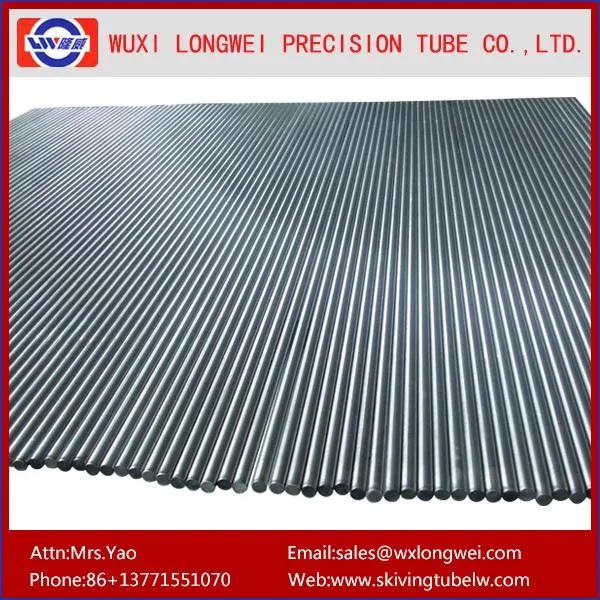

Here's the thing: a 316 stainless steel hydraulic precision piston rod is a big investment, but it's built to last-if you take care of it. Skipping maintenance might save you 10 minutes a day, but it'll cost you hundreds (even thousands) in replacement parts and downtime later. The best part? Most of the maintenance steps are super easy, take almost no time, and use common supplies you probably already have in your workshop.
If you're in the market for new piston rods, whether you need 316 stainless for corrosion resistance, hard chrome for extra wear, CK45 hollow piston rod for lightweight applications, 40Cr chrome hydraulic cylinder piston rod for heavy loads, or CK 45 steel precision chromed piston rods, we've got you covered. We work with all kinds of industries, from construction to food and beverage, and can help you find the right rod for your specific needs. Just reach out to our team to chat through your requirements, whether you're replacing worn parts or outfitting new equipment. We're here to make sure your hydraulic systems run smoothly, no headaches, no unexpected downtime.


