

Hey there! As a chrome rod supplier, I often get asked about the friction coefficient of chrome rods. It's a pretty important factor, especially when it comes to applications where smooth movement and low wear are crucial. So, let's dive into what the friction coefficient of a chrome rod is and why it matters.
What is the Friction Coefficient?
The friction coefficient is a measure of how much friction exists between two surfaces in contact. It's a dimensionless number that represents the ratio of the force of friction between the two surfaces to the normal force pressing them together. In simpler terms, it tells us how easy or difficult it is for one surface to slide over another.
For chrome rods, the friction coefficient can vary depending on several factors, such as the surface finish of the rod, the material it's in contact with, and the lubrication used. A lower friction coefficient means less resistance to movement, which can lead to smoother operation, reduced wear and tear, and improved energy efficiency.
Factors Affecting the Friction Coefficient of Chrome Rods
Surface Finish
The surface finish of a chrome rod plays a significant role in determining its friction coefficient. A smoother surface finish generally results in a lower friction coefficient because there are fewer irregularities for the contacting surface to catch on. Chrome rods are often polished to a high degree to reduce friction and improve performance.
Material of the Contacting Surface
The material that the chrome rod is in contact with also affects the friction coefficient. Different materials have different surface properties, which can either increase or decrease the friction. For example, a chrome rod sliding against a soft, rubbery material may have a higher friction coefficient than when sliding against a hard, smooth metal surface.
Lubrication
Lubrication is another crucial factor in reducing the friction coefficient of chrome rods. Applying a lubricant between the rod and the contacting surface creates a thin film that separates the two surfaces, reducing direct contact and friction. There are various types of lubricants available, such as oils, greases, and dry lubricants, each with its own properties and applications.
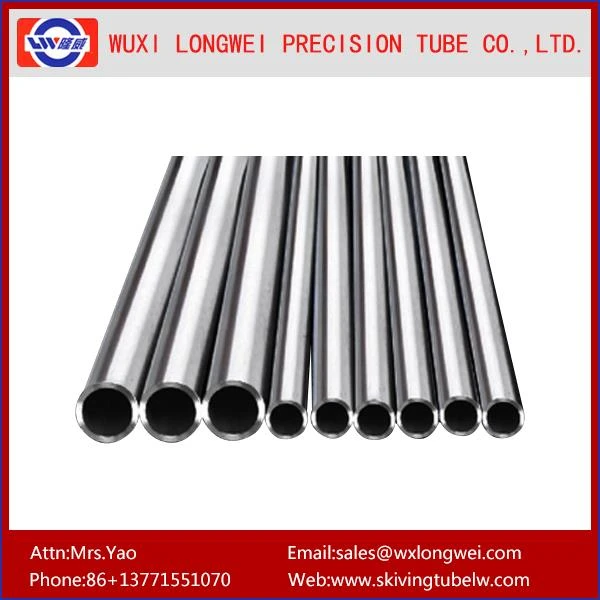

Typical Friction Coefficients of Chrome Rods
The friction coefficient of chrome rods can vary widely depending on the factors mentioned above. In general, the friction coefficient of a well-lubricated chrome rod sliding against a smooth metal surface can range from 0.05 to 0.15. However, this can change significantly if the rod is not properly lubricated or if it's in contact with a different material.
For example, if a chrome rod is sliding against a rough or abrasive surface, the friction coefficient can be much higher. Similarly, if the rod is not lubricated at all, the friction coefficient can increase to 0.2 or even higher, leading to increased wear and energy consumption.
Importance of the Friction Coefficient in Chrome Rod Applications
The friction coefficient of chrome rods is crucial in many applications, especially those that require smooth and precise movement. Here are some examples:
Hydraulic and Pneumatic Systems
In hydraulic and pneumatic systems, chrome rods are commonly used as piston rods. The low friction coefficient of chrome rods allows for smooth and efficient operation of the pistons, reducing energy consumption and improving the overall performance of the system. Hard Chrome Piston Rod and Hydraulic Chrome Rod are specifically designed to provide low friction and high durability in these applications.
Linear Motion Systems
Chrome rods are also widely used in linear motion systems, such as slides and guides. The low friction coefficient of chrome rods ensures smooth and precise movement, reducing wear and extending the lifespan of the system. High Frequency Quenched and Tempered Piston Rod are often used in these applications due to their high strength and low friction properties.
Automotive and Aerospace Applications
In the automotive and aerospace industries, chrome rods are used in various components, such as shock absorbers and actuators. The low friction coefficient of chrome rods helps to improve the performance and reliability of these components, reducing noise and vibration and enhancing the overall driving experience.
How We Ensure Low Friction Coefficients in Our Chrome Rods
As a chrome rod supplier, we take several steps to ensure that our chrome rods have a low friction coefficient and high performance. Here are some of the things we do:
High-Quality Material Selection
We use high-quality chrome-plated steel for our chrome rods, which provides excellent corrosion resistance and a smooth surface finish. The chrome plating also helps to reduce friction and wear, making our rods more durable and reliable.
Precision Machining
Our chrome rods are precision machined to ensure a consistent diameter and surface finish. This helps to reduce friction and improve the overall performance of the rods. We also use advanced machining techniques to achieve tight tolerances, ensuring that our rods meet the highest quality standards.
Proper Lubrication
We recommend using a high-quality lubricant with our chrome rods to reduce friction and wear. Our technical support team can provide guidance on the best lubricant to use for your specific application.
Conclusion
In conclusion, the friction coefficient of a chrome rod is an important factor that affects its performance and durability. By understanding the factors that influence the friction coefficient and taking steps to ensure a low friction coefficient, we can provide high-quality chrome rods that meet the needs of our customers.
If you're in the market for chrome rods, we'd love to hear from you. Whether you need High Frequency Quenched and Tempered Piston Rod, Hard Chrome Piston Rod and Hydraulic Chrome Rod, or CK45 Hollow Piston Rod, we have the expertise and products to meet your requirements. Contact us today to discuss your needs and get a quote.


