

The suspension system of a vehicle is a complex and critical component that directly affects the vehicle's ride comfort, handling, and safety. Among the various elements that make up the suspension system, the axle plays a pivotal role. In recent years, the use of hollow axles has become increasingly popular in the automotive and other industries. As a leading hollow axle supplier, I have witnessed firsthand the impact of hollow axles on the suspension system. In this blog, I will delve into the details of how a hollow axle influences the suspension system and why it has become a preferred choice for many applications.
Weight Reduction
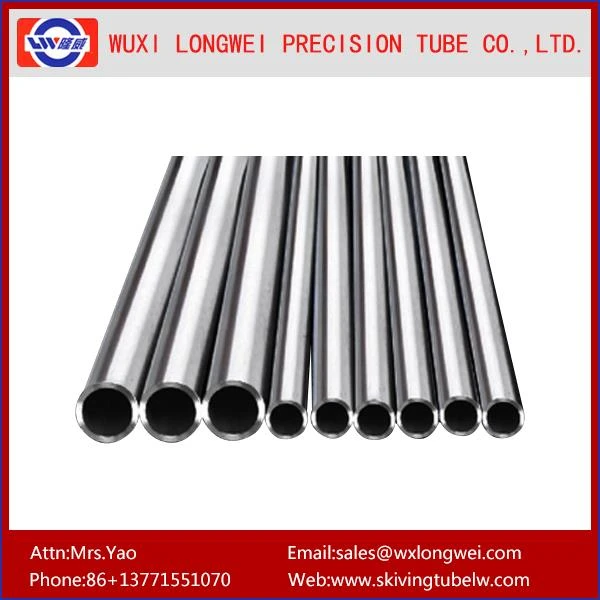
One of the most significant impacts of a hollow axle on the suspension system is weight reduction. Traditional solid axles are heavy, which can increase the overall weight of the vehicle. This extra weight not only affects the vehicle's fuel efficiency but also puts additional stress on the suspension components. A hollow axle, on the other hand, is designed with a hollow core, which significantly reduces its weight without compromising its strength.
The reduced weight of the hollow axle has several benefits for the suspension system. First, it reduces the unsprung mass of the vehicle. Unsprung mass refers to the weight of the components that are not supported by the vehicle's suspension springs, such as the wheels, tires, and axles. A lower unsprung mass allows the suspension to respond more quickly to road irregularities, resulting in a smoother ride. Additionally, reduced unsprung mass can improve the vehicle's handling and traction, as the wheels are better able to maintain contact with the road surface.
Improved Flexibility
Another advantage of a hollow axle is its improved flexibility. The hollow design allows the axle to flex more easily under load, which can help to absorb shocks and vibrations from the road. This flexibility can reduce the stress on the suspension components, such as the springs and shock absorbers, and extend their lifespan.
In a vehicle with a solid axle, the rigid structure can transmit more of the road shocks directly to the suspension system, leading to increased wear and tear. The flexibility of a hollow axle, however, can act as a buffer, reducing the impact of these shocks and providing a more comfortable ride for the passengers. This is particularly important in off-road vehicles or vehicles that operate on rough terrain, where the suspension system is subjected to more extreme conditions.
Enhanced Bending Resistance
Despite being lighter, hollow axles can offer enhanced bending resistance compared to solid axles. The design of a hollow axle distributes the load more evenly across its cross-section, which can prevent the axle from bending or breaking under heavy loads. This is crucial for the safety and performance of the suspension system, as a bent or broken axle can lead to a loss of control and potentially dangerous situations.
The improved bending resistance of a hollow axle also allows for a more precise and stable suspension setup. When the axle is able to maintain its shape under load, the suspension components can work more effectively to provide a smooth and controlled ride. This can improve the vehicle's handling characteristics, such as steering response and cornering ability.

Compatibility with Other Components
Hollow axles are often designed to be compatible with a wide range of suspension components, such as springs, shock absorbers, and bushings. This compatibility allows for a more integrated and efficient suspension system, as the components can work together seamlessly to provide optimal performance.
For example, a hollow axle can be paired with CK 45 Steel Precision Chromed Piston Rod to enhance the performance of the shock absorbers. The precision chromed surface of the piston rod can reduce friction and wear, while the CK 45 steel provides high strength and durability. Similarly, a High Frequency Quenched and Tempered Piston Rod can be used in combination with a hollow axle to improve the responsiveness and reliability of the suspension system.
In addition, hollow axles can be used in forklifts, where they are often paired with Forklift Piston Rod. The hollow axle design can reduce the weight of the forklift, which can improve its maneuverability and energy efficiency. The forklift piston rod, on the other hand, can provide the necessary force and stability for the lifting and lowering operations.
Cost-Effectiveness
From a cost perspective, hollow axles can offer significant savings compared to solid axles. The reduced weight of the hollow axle can lead to lower fuel consumption, which can result in long-term cost savings for the vehicle owner. Additionally, the improved durability and lifespan of the suspension components due to the use of a hollow axle can reduce maintenance and replacement costs.
The manufacturing process of hollow axles can also be more cost-effective than that of solid axles. The use of advanced manufacturing techniques, such as precision machining and heat treatment, can ensure the high quality and performance of the hollow axles while keeping the production costs under control.
Conclusion
In conclusion, the impact of a hollow axle on the suspension system is significant and far-reaching. The weight reduction, improved flexibility, enhanced bending resistance, compatibility with other components, and cost-effectiveness make hollow axles an attractive option for a wide range of applications. As a hollow axle supplier, I am committed to providing high-quality products that meet the needs of our customers.
If you are interested in learning more about our hollow axles or would like to discuss your specific requirements, please feel free to contact us. We look forward to the opportunity to work with you and help you optimize your suspension system.


