

When sourcing steel tubes for hydraulic cylinders, buyers may come across two terms: skiving tube and cold drawn tube. They are sometimes presented as alternative products, but they describe different stages of tube manufacturing.
A cold drawn tube is produced by pulling a steel tube through a die, often over a mandrel, to reduce its dimensions and improve dimensional accuracy. A skived tube, in the hydraulic cylinder industry, generally refers to a tube whose internal diameter has undergone skiving, often followed by roller burnishing (SRB), to achieve the required bore size and surface condition.
In practice, a skived and roller burnished tube often starts as a cold drawn tube. The important purchasing question is therefore not simply which name is better, but whether the tube has received the finishing process required by your cylinder design.
1. What Is a Cold Drawn Tube?
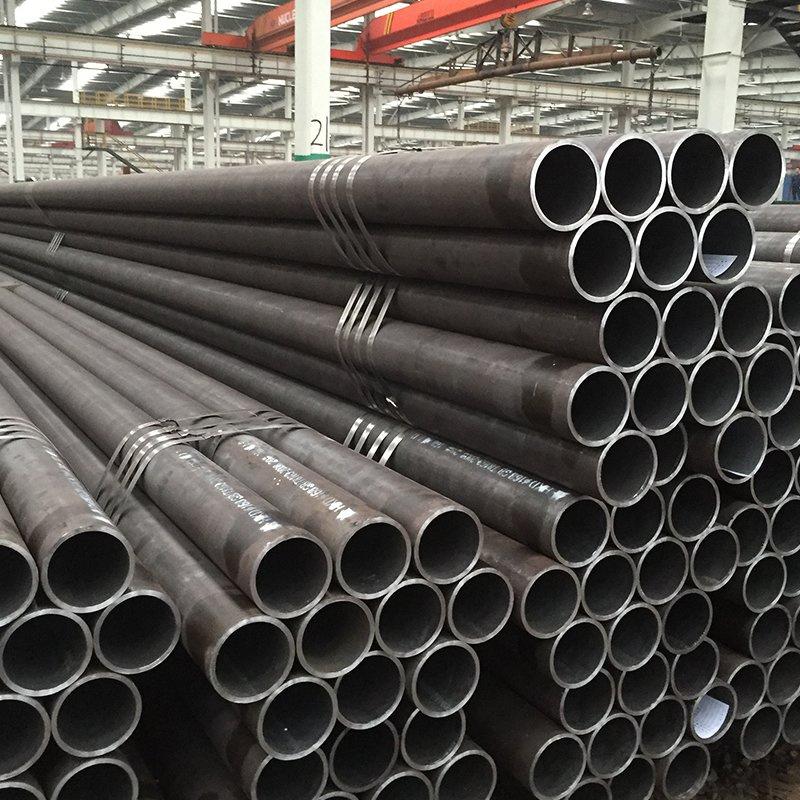
Cold drawing is a metal forming process carried out at room temperature. A prepared steel tube is pulled through a drawing die, usually with a mandrel or plug controlling the internal dimensions. The process reduces the tube's outside diameter and wall thickness while improving dimensional consistency and surface quality.
For hydraulic cylinder production, cold drawing provides a more controlled starting tube than an unfinished hot-rolled tube. It can help manufacturers obtain the required outside diameter, wall thickness, straightness and mechanical properties.
However, a cold drawn tube is not automatically ready for use as a hydraulic cylinder barrel. Its internal surface condition and bore tolerance depend on the drawing process, material condition and specified finish. If the design requires a more closely controlled bore or a particular surface texture for piston seals, additional internal finishing may be necessary.
A cold drawn tube may be supplied in an as-drawn condition, or it may be used as the starting material for honing or skiving and roller burnishing.
2. What Is a Skiving Tube?
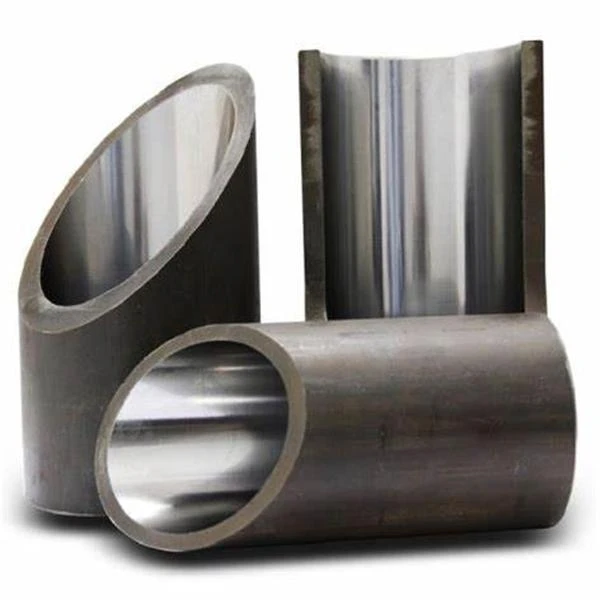
In hydraulic cylinder applications, the term skiving tube usually refers to a tube finished by skiving, commonly combined with roller burnishing. The combined process is known as SRB.
Skiving is a cutting operation. A specialized tool travels through the tube and removes a controlled amount of material from the internal surface. This operation brings the bore closer to its specified diameter and corrects surface irregularities within the available machining allowance.
Roller burnishing follows the cutting operation. Hardened rollers press against the newly machined bore, plastically deforming surface peaks rather than removing more material. This produces a smoother internal surface and can introduce work hardening near the surface.
The two operations address different requirements:
Skiving: controls the bore by cutting material away.
Roller burnishing: improves the surface condition through plastic deformation.
The result is a tube with a machined and burnished internal surface, commonly used for hydraulic and pneumatic cylinder barrels.
It is important to distinguish a skived tube from a tube that has only been skived. When buyers specify an SRB tube, they should confirm that both skiving and roller burnishing are included.
3. Skiving Tube vs. Cold Drawn Tube: Main Differences
The main difference is the manufacturing stage and the purpose of the process. Cold drawing forms and sizes the tube; skiving and roller burnishing provide additional control over the internal bore.
| Comparison | Cold Drawn Tube | Skived and Roller Burnished Tube |
|---|---|---|
| Manufacturing stage | Cold forming and sizing | Internal finishing after the tube has been produced |
| Main operation | Pulling the tube through a die, commonly over a mandrel | Cutting the bore, followed by roller burnishing |
| Main purpose | Improve dimensional accuracy and material condition | Achieve specified bore dimensions and internal surface quality |
| Internal surface | As-drawn condition, depending on the drawing route | Machined and roller-burnished surface |
| Bore control | Depends on drawing equipment and product specification | Further controlled by the skiving operation |
| Surface treatment | No SRB treatment unless specified separately | Roller burnishing modifies the machined surface |
| Typical use | General precision tube and intermediate cylinder-tube stock | Hydraulic and pneumatic cylinder barrels requiring a finished bore |
These descriptions are general process distinctions, not guaranteed performance values. Actual bore tolerance, roughness, straightness and mechanical properties must be confirmed against the supplier's technical specification and inspection results.
4. Does a Cold Drawn Tube Have to Be Skived?
No. Whether additional internal finishing is necessary depends on the application and the required bore quality.
For some mechanical applications, the dimensional accuracy and surface condition of an as-drawn tube may already meet the design requirements. In these cases, further skiving or honing would add processing cost without providing a useful production benefit.
Hydraulic cylinder barrels have more specific requirements. The piston and seals move repeatedly against the internal bore. If the bore has unsuitable dimensions, excessive variation or an inappropriate surface texture, the cylinder may experience inconsistent seal contact, leakage, friction or premature wear.
A cold drawn tube intended for further machining can be a suitable starting material. If the cylinder manufacturer wants to receive a finished barrel tube and avoid carrying out internal finishing in-house, an SRB tube may be the more practical option.
The decision should be based on the final bore specification, not simply on whether the tube is described as precision or cold drawn.
5. How Does the Internal Surface Affect Hydraulic Cylinder Performance?
The internal surface is a functional part of the hydraulic cylinder, not merely a cosmetic finish.
During operation, the piston seal slides along the cylinder bore. The surface must provide suitable contact conditions while maintaining an appropriate lubricant film. A bore that is too rough may accelerate seal wear, while an excessively smooth surface may not provide the surface characteristics required by a particular seal design.
This is why surface roughness should not be selected independently of the sealing system. Buyers should check the seal manufacturer's recommendations for the relevant seal material, operating pressure, speed and lubrication conditions.
SRB produces a characteristic roller-burnished surface. Honing, by comparison, uses abrasive stones and commonly creates a cross-hatched surface pattern. These finishes are not interchangeable in every application. If the cylinder drawing or seal specification requires a particular surface texture, the supplier should follow that requirement rather than substitute a different process based only on a roughness value.
6. When Should You Choose a Skived and Roller Burnished Tube?
An SRB tube is worth considering when the cylinder manufacturer needs a controlled internal bore and wants to reduce or eliminate internal finishing operations at its own facility.
It is commonly considered in the following situations:
Hydraulic cylinders produced in repeat batches
For manufacturers producing cylinders in regular sizes and production runs, receiving tubes with a finished bore can simplify machining arrangements and reduce the number of internal processing steps.
Applications requiring a controlled bore
When piston movement and seal contact depend on consistent internal dimensions, the bore specification should be established before ordering. SRB can provide the additional internal machining and surface treatment needed to meet the specified requirements.
Production lines aiming to reduce in-house finishing
If internal honing or other bore-finishing operations create a production bottleneck, purchasing SRB tubes may help simplify the manufacturing route. The actual cost benefit depends on tube dimensions, order volume, machining allowance, supplier capability and the buyer's existing equipment.
Cylinder designs that specify an SRB-compatible surface
Where the engineering drawing and seal requirements permit a roller-burnished finish, SRB can be a practical choice. If a cross-hatched honing finish is specifically required, the buyer should not replace it with SRB without engineering approval.
7. When Is a Cold Drawn Tube a Better Starting Point?
Cold drawn tube remains an important product in its own right. It can be the right choice when the buyer needs precision tube stock for further machining or when the as-drawn condition already meets the application requirements.
Consider cold drawn tube when:
The component requires controlled outside dimensions and wall thickness but does not need an SRB-finished bore.
The buyer plans to perform skiving, honing, drilling or other machining in-house.
The tube is used for mechanical components where the specified internal surface condition is acceptable in the as-drawn state.
The production process requires a particular material condition before the final machining stage.
For hydraulic cylinder manufacturers, the distinction between a tube for further processing and a finished cylinder barrel tube should be made clear in the purchase order. Otherwise, a tube may meet its cold drawing specification but still require additional work before it can be assembled into a cylinder.
8. What Should Buyers Check Before Ordering?
The process name alone is not enough to define a tube. A clear technical specification helps prevent disagreements about what the supplier is expected to deliver.
Before placing an order, confirm the following:
1. Material grade and standard
Specify the required steel grade and applicable product standard. E355 is one material commonly used for precision cylinder tubes, but the correct grade depends on the cylinder design and mechanical requirements.
2. Outside diameter, inside diameter and wall thickness
Provide the required dimensions and tolerances. If the tube will undergo skiving, confirm that the starting tube has sufficient machining allowance for the specified bore.
3. Internal surface finish
State the required roughness and, where necessary, the surface texture or finishing process. Do not rely on a general description such as smooth bore.
4. Straightness and roundness
These characteristics affect machining, assembly and cylinder operation. Make sure the acceptance requirements are defined for the finished tube.
5. Delivery condition
Specify whether you need cold drawn tube for further processing, skived-only tube, or a completed skived and roller burnished tube. If the drawing calls for honing, state that explicitly.
6. Inspection and documentation
Confirm which dimensions and surface characteristics will be inspected, how they will be measured, and what inspection documents will accompany the shipment. For repeat orders, agreeing on the inspection method in advance can help avoid differences in acceptance criteria.
9. Cold Drawn or Skived Tube: Which One Should You Order?
There is no universal winner because the two terms describe different manufacturing stages.
If you need precision steel tube stock for further machining, cold drawn tube may be the appropriate choice. If your hydraulic cylinder design requires a finished internal bore and a roller-burnished surface, an SRB tube may reduce the finishing work required at your factory.
For many hydraulic cylinder applications, the practical manufacturing route is:
Seamless steel tube → Cold drawing → Skiving → Roller burnishing → Final inspection
The exact route depends on the starting tube, material, dimensions and final technical requirements. A buyer should confirm the complete process and acceptance criteria rather than assume that the product name guarantees a particular bore tolerance or surface finish.
10. Precision Cold Drawn and SRB Tubes from Wuxi LongWei
Wuxi LongWei Precision Tube Co., Ltd. manufactures precision steel tubes for hydraulic and pneumatic cylinder applications. Its production equipment includes high-precision hydraulic cold drawing machines, a 9-meter skiving and roller burnishing machine, honing equipment, straightening equipment and inspection instruments.
The company supplies precision inner-diameter seamless steel tubes in sizes ranging from 40 mm to 500 mm, subject to product and process requirements.
For buyers comparing cold drawn tube with SRB tube, the most useful starting point is the finished component drawing. Share the material grade, tube dimensions, bore tolerance, surface finish, straightness requirement and order quantity. LongWei can then review the required processing route and discuss whether cold drawing, SRB or honing is appropriate for the application.


